This place is for the birds!
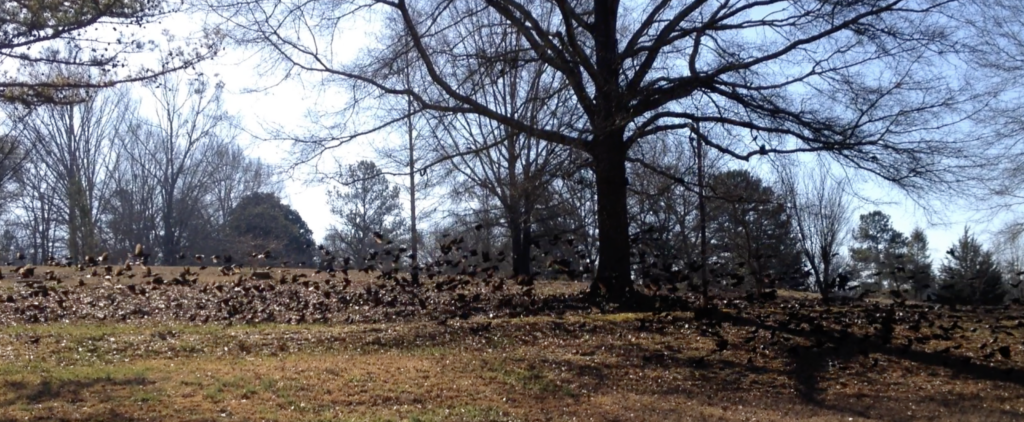
The Blue Ridge Mountains around Roanoke Virginia are stunningly beautiful and are home to more than 250 species of birds. If you want to see a particular species that is not listed here, please don’t hesitate to inquire.
Here’s a list of the most common birds you will likely see on a guided tour of the Blue Ridge Mountain area in and around Roanoke, Virginia. While many of these common birds are year-round residents, some are only seen seasonally.
- Northern Cardinal (Cardinalis cardinalis)
- House Finch (Haemorhous mexicanus)
- Eastern Towhee (Pipilo erythrophthalmus)
- American Goldfinch (Spinus tristis)
- Northern Mockingbird (Mimus polyglottos)
- Brown Thrasher (Toxostoma rufum)
- Gray Catbird (Dumetella carolinensis)
- American Robin (Turdus migratorius)
- European Starling (Sturnus vulgaris)
- Eastern Bluebird (Sialia sialis)
- Tufted Titmouse (Baeolophus bicolor)
- Carolina Chickadee (Poecile carolinensis)
- Dark-eyed Junco (Junco hyemalis)
- Carolina Wren (Thryothorus ludovicianus)
- White-breasted Nuthatch (Sitta carolinensis)
- Brown Creeper (Certhia americana)
- Eastern Wood-pewee (Contopus virens)
- Chipping Sparrow (Spizella passerina)
- House Sparrow (Passer domesticus)
- Song Sparrow (Melospiza melodia)
- White-crowned Sparrow (Zonotrichia leucophrys)
- White-throated Sparrow (Zonotrichia albicollis)
- Eastern Kingbird (Tyrannus tyrannus)
- Indigo Bunting (Passerina cyanea)
- Brown-headed Cowbird (Molothrus ater)
- Red-winged Blackbird (Agelaius phoeniceus)
- Common Grackle (Quiscalus quiscula)
- Orchard Oriole (Icterus spurius)
- Eastern Meadowlark (Sturnella magna)
- American Crow (Corvus brachyrhynchos)
- Common Raven (Corvus corax)
- Blue Jay (Cyanocitta cristata)
- Green Heron (Butorides virescens)
- Great Blue Heron (Ardea herodias)
- Canada Goose (Branta canadensis)
- Mallard (Anas platyrhynchos)
- Killdeer (Charadrius vociferus)
- Ruby-throated Hummingbird (Archilochus colubris)
- Barn Swallow (Hirundo rustica)
- Red-bellied Woodpecker (Melanerpes carolinus)
- Northern Flicker (Colaptes auratus)
- Pileated Woodpecker (Dryocopus pileatus)
- Downy Woodpecker (Dryobates pubescens)
- Hairy Woodpecker (Leuconotopicus villosus)
- Belted Kingfisher (Megaceryle alcyon)
- Mourning Dove (Zenaida macroura)
- Rock Dove/Pigeon (Columba livia)
- Red-tailed Hawk (Buteo jamaicensis)
- Coopers Hawk (Astur cooperii)
- Sharp-shinned Hawk (Accipiter striatus)
- Red-shouldered Hawk (Buteo lineatus)
- Turkey Vulture (Cathartes aura)
- Black Vulture (Coragyps atratus)
Here’s a very abbreviated list of birds that we would likely need to specifically target to find in the Roanoke area of the Blue Ridge Mountains.
- Solitary Sandpiper (Tringa solitaria)
- Greater Yellowlegs (Tringa melanoleuca)
- Least Sandpiper (Calidris minutilla)
- Wild Turkey (Meleagris gallopavo)
- Wood Duck (Aix sponsa)
- Yellow-crowned Night Heron (Nyctanassa violacea)
- Blue Grosbeak (Passerina caerulea)
- Cedar Waxwing (Bombycilla cedrorum)
- Red-eyed Vireo (Vireo olivaceus)
- Yellow-throated Vireo (Vireo flavifrons)
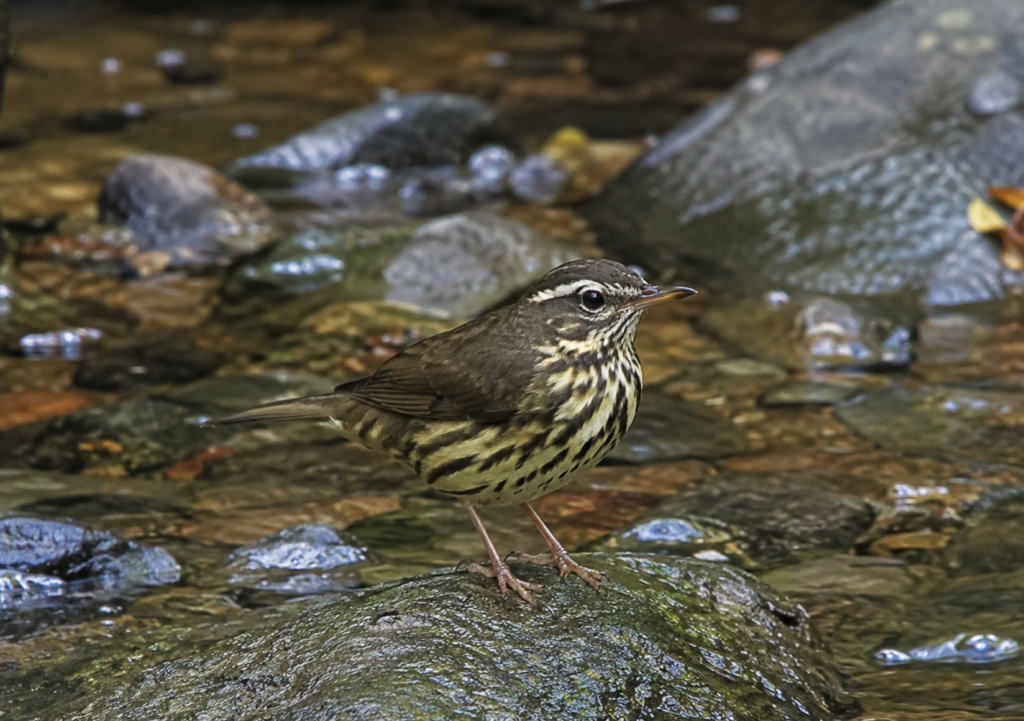
- Louisiana Waterthrush (Parkesia motacilla)
- Scarlet Tanager (Piranga olivacea)
- Pine Warbler (Setophaga pinus)
- Black-throated Green Warbler (Setophaga virens)
- Worm-eating Warbler (Helmitheros vermivorum)
- Bay-breasted Warbler (Setophaga castanea)
- Hooded Warbler (Setophaga citrina)
- Golden-crowned Kinglet (Regulus satrapa)
- American Pipit (Anthus rubescens)
- Yellow-billed Cuckoo (Coccyzus americanus)
- Barred Owl (Strix varia)
- Eastern Screech Owl (Megascops asio)
- Osprey (Pandion haliaetus)
- Pied-billed Grebe (Podilymbus podiceps)
- Virginia Rail (Rallus limicola)